Synthetic Roofing System Setup Tips for Houses Exposed to Snow and Wind
Homes that encounter long winters months, wandering snow, and difficult seasonal wind require greater than a roofing that looks great from the road. They need a roofing assembly that stays when gusts begin prying at sides, sheds snow without creating chronic ice issues, and handles freeze-thaw cycles year after year. That is where synthetic roof coverings have actually gained genuine regard in the field.
I have seen plenty of attractive roofing systems stop working early, not due to the fact that the material itself was bad, yet since the setup did not make up regional weather. A high roof covering in an open community acts differently than a sheltered roofing system under fully grown trees. A valley that functions penalty in a mild climate can become the weak point after a heavy Chicago snowfall complied with by a sudden warmup and refreeze. With architectural artificial roof, the information matter as long as the item label.
For homeowners thinking about household synthetic roof, especially in places with winter season direct exposure like north Illinois, the discussion needs to go well past color and account. Premium artificial roof covering can resemble slate, cedar shake, or designer shingles beautifully, yet efficiency comes from the whole system: deck problem, underlayment, flashing, fastener pattern, air flow, and installation techniques tailored to wind and snow load.
Why synthetic roofing has actually become a significant choice in rough climates
Synthetic roof covering roof shingles are no more treated as a specific niche product. The much better items have developed substantially in the last decade. They are lighter than all-natural slate, usually extra dimensionally consistent than wood, and simpler to mount accurately when the crew recognizes the maker's specifications. For homes revealed to wind, that consistency matters. Irregular thickness and variable splitting, which can complicate installation with some natural products, are less of an issue with well-made artificial roof systems.
Weight is another practical benefit. A home might like the appearance of slate, however not every roofing framework wants the tons of real stone, particularly when numerous inches of damp snow are added on top. Artificial roofing substitute commonly comes to be attractive when house owners want a premium profile without costly structural support. On customized builds and artificial roofing for luxury homes, that versatility opens layout choices that would or else be more difficult to justify.
That claimed, not all synthetic roof coverings are equal. There is a variety in polymer blends, UV stability, impact scores, fire ratings, and accessory offerings. One synthetic roof business might lug products focused on cost-conscious tasks, while another focuses on premium synthetic roof with matching ridge, starter, and hip parts. In snow and wind region, those differences appear sooner.
Start with the roofing system layout, not just the product sample
The biggest mistake I see is treating artificial roofing setup like a basic product swap. A roofing in a severe environment must be prepared as a climate monitoring system. Prior to a solitary package or pallet gets here, the service provider ought to examine roof covering pitch, overhang deepness, valley format, smokeshaft infiltrations, soffit intake, ridge exhaust, and how snow commonly crosses the roof covering plane.
Wind direct exposure is entitled to honest interest. A home on a wide corner whole lot, a ridge, or near open farmland sees uplift pressures really in different ways from a residence tucked amongst surrounding structures. If the home has numerous gables, dormers, and long eaves, those edges and changes become high-risk areas. That is where a competent artificial roofing contractor will certainly commonly invest extra time on attaching format and flashing details.
Snow creates a different set of problems. It loads valleys, heaps behind smokeshafts, and thaws unevenly where attic warmth leaves. In the Chicagoland area, freeze-thaw biking can be unrelenting. A roofing that warms up throughout the day and locks up once more overnight will certainly evaluate every joint, nail placement, and flashing bend. A synthetic roofer Chicagoland home owners trust need to speak about those characteristics early, not after the price quote is signed.
Deck condition determines more than the majority of homeowners realize
Synthetic items are forgiving somehow, however they are not a cover-up for a weary roof covering deck. If the outdoor decking has soft areas, edge rot, delamination, or uneven airplanes, those imperfections have a tendency to telegram into the completed roofing or lower bolt holding power. In solid wind, that is not an aesthetic issue. It is a structural one.
During synthetic roof covering substitute, insist on a complete deck examination after tear-off. I have seen roofing systems where the old product looked functional from the ground, once removed, a number of sheets near valleys and eaves were jeopardized from years of small leakage and condensation. Replacing those sections added expense in the moment, but it avoided a much bigger repair later.
Fastener retention depends upon audio substratum. When makers define exact nail size, placement zones, and infiltration deepness, they are not filling the guideline sheet with lawful language. They are attempting to make certain the mounted roof can satisfy the anticipated wind ranking. A synthetic roof covering installers team that rushes this step can threaten a very good product.
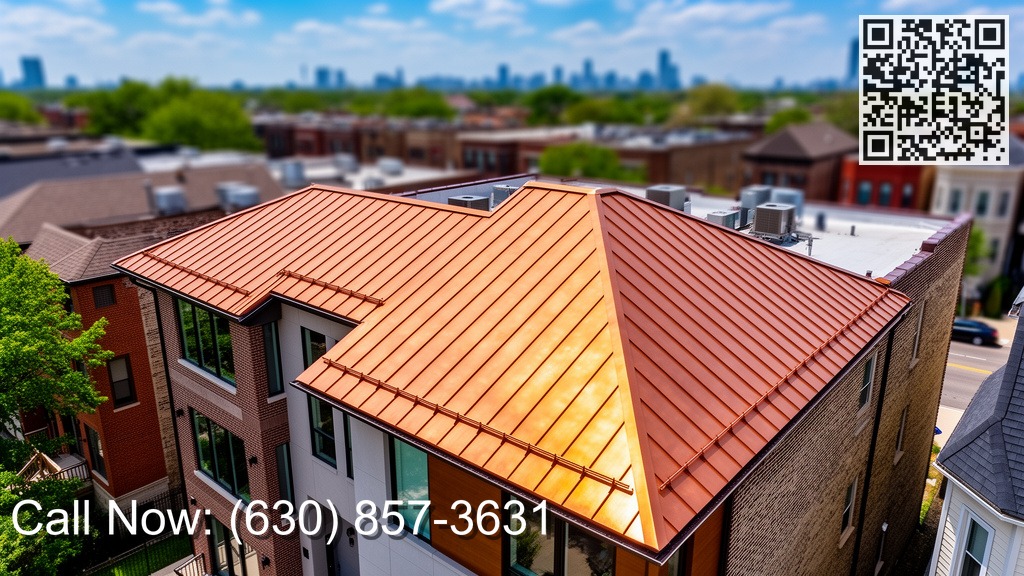
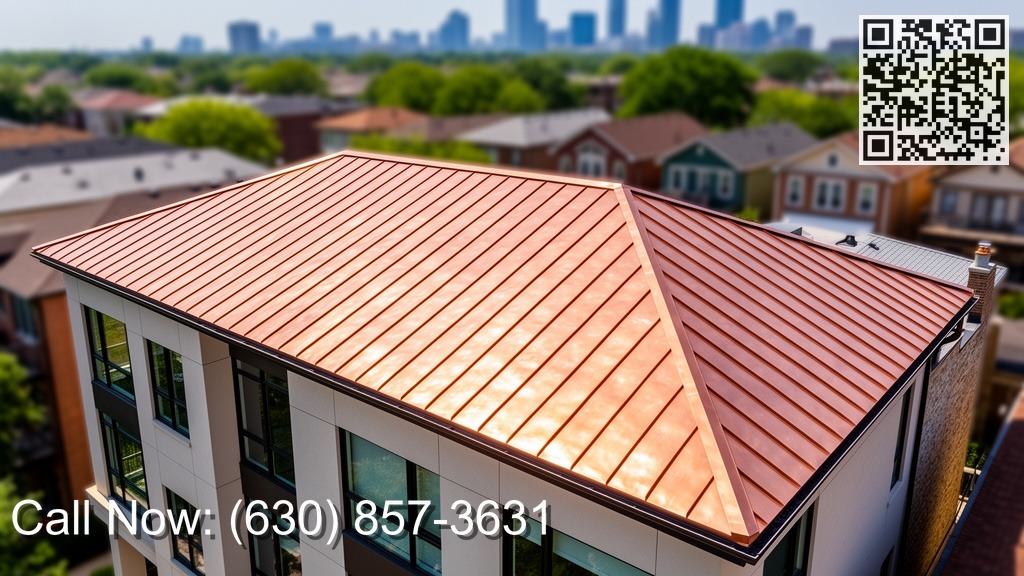
Underlayment is where cold-climate roof coverings silently be successful or fail
Homeowners typically concentrate on the noticeable roofing material, but in snow nation the underlayment does a big quantity of work. Water does not constantly move right downhill. Wind-driven snow can press dampness up under revealed edges, and ice dams can compel meltwater back beneath the main roofing system covering.
On homes revealed to snow, I typically such as to see a durable ice and water membrane at eaves, valleys, around chimneys, around skylights, and in various other leak-prone changes. Depending upon regional code, roofing geometry, and historical climate seriousness, several specialists will prolong that membrane layer well beyond the minimal code line. On the balance of price versus protection, that is normally cash well spent.
In more comprehensive area areas, a high quality synthetic underlayment can include tear resistance and short-term dry-in security, particularly during unpredictable wintertime scheduling. When an artificial roof firm says the roof system consists of underlayment, ask which one, where it is being made use of, and why. "System" is one of those words that sounds encouraging up until you pin down the real components.
Wind resistance comes down to sides, attaching, and discipline
When wind harms a roofing, the failure frequently begins at the boundary. Corners, rakes, eaves, ridges, and subjected shifts take the first hit. Once wind obtains under a weak edge, the pressure can take a trip quick. I have seen roofs lose only a few items initially, after that open up significantly in the next storm due to the fact that the initial repair service ignored the underlying uplift issue.
That is why side metal, starter training courses, and bolt placement need to be precise. A specialist synthetic roofer will certainly not "eye it" when the manufacturer gives a called for nailing zone. If an item needs six nails per piece in a high-wind application, using four due to the fact that it really feels appropriate is not craftsmanship. It is a gamble.
This is also where training issues. Some contractors are superb with asphalt but much less accustomed to architectural synthetic roof profiles that have various exposure lines, locking functions, or accessory pieces. Synthetic roofing installers require to recognize the details product on the truck that day, not artificial roofing in the abstract.
A couple of setup factors are worthy of special interest on windy, snowy homes:
- Reinforce eaves, rakes, and edges according to the manufacturer's high-wind requirements.
- Use the specific fastener type, size, and amount specified for the deck and product.
- Install starter, hip, and ridge devices that are created for the roof line, not improvisated substitutes.
- Keep direct exposure and positioning limited so wind can not exploit irregular gaps or lifted edges.
- Verify that flashing and edge steel sequencing guides water out, even if snow supports temporarily.
That list sounds standard, however in the field, those are the information that separate a roofing that survives rough winter seasons from one that comes to be a reoccuring solution call.
Snow shedding is good, till it creates a brand-new hazard
One underappreciated feature of lots of synthetic roofings is how successfully they shed snow. Compared to rougher surface areas, some artificial accounts permit snow to release even more cleanly. That can minimize prolonged loading, which is useful, however it can additionally develop unexpected snow slides over entries, decks, pathways, and lower roofing system sections.
This is where item choice and roofing geometry must be reviewed with each other. On a high front-facing roofing system over a busy entrance, the owner might gain from a snow retention strategy. On one more area, free losing may be more effective to decrease heavy buildup. There is no global answer. An excellent installer considers security, aesthetics, and dampness monitoring together.
Homes with several converging roof planes require added believed right here. Snow gliding from a top roof can impact a lower section with sufficient force to tension flashings, seamless gutters, or guards if they are not developed for it. I have seen lower valleys packed difficult with snow and ice merely due to the fact that the top roof covering disposed onto them repeatedly all season.
Ventilation still matters, despite outstanding materials
Premium artificial roofing will certainly not address attic heat discrepancy. If warm interior air leaks into the attic or ventilation is inadequately balanced, snow can melt erratically on the roof covering deck, then refreeze at cooler eaves. That is the amount of ice dams start. The roof covering gets blamed, yet the origin trouble is often inside the structure envelope.
An appropriate assessment should take a look at insulation levels, air securing, soffit consumption, amazes, and ridge or high-exhaust capacity. The purpose is a roofing deck that remains as close as practical to the exterior temperature level in winter. If that appears more like building science than roof covering, that is because it is. In chilly climates, roof performance rests right at the intersection of both.
For home owners in synthetic roof covering Chicago markets and western suburban areas such as artificial roof covering Naperville IL projects, this is particularly appropriate due to the fact that winter months climate has a tendency to cycle between deep cold, damp snow, thaw, and refreeze. That sequence penalizes any powerlessness in ventilation or insulation.
Valleys, smokeshafts, and infiltrations are worthy of better than "basic detail"
Most leakages do not occur in the wide field of the roof. They take place where materials change direction, where water focuses, or where something pokes via the aircraft. Valleys network huge volumes of water and dissolved snow. Chimneys interrupt runoff and produce drift areas. Pipes stacks, satellite mounts, skylights, and vent hoods each include another opportunity for dampness intrusion.
I beware whenever a proposal glosses over these areas with generic language. On high-end domestic artificial roof, especially synthetic roofing for deluxe homes with complicated design, detail work is where the installment gains its cost. Counterflashing need to be crisp. Saddle flashing behind bigger smokeshafts need to be thought about where ideal. Valleys ought to be developed with both water drainage and snow actions in mind.
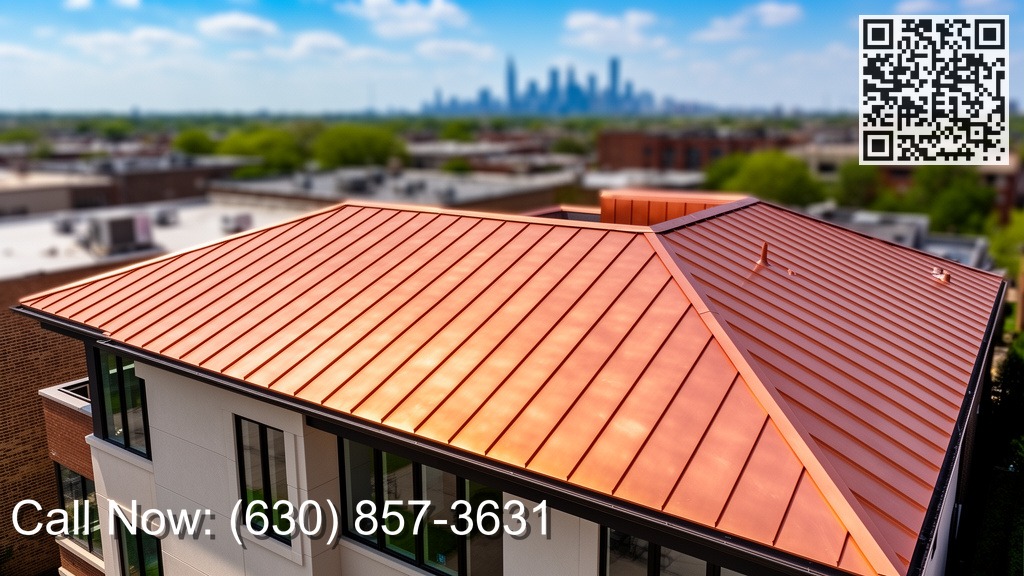
One practical example: open valleys can do quite possibly, however they require tidy geometry and compatible steels. Closed-cut or woven approaches may suit various other roofing system types better, relying on the item. With artificial roof covering shingles that mimic slate or shake, the valley technique should match both the item and the climate. There is no factor to force an acquainted method if the maker advises one more path.
Cold-weather scheduling can impact installation quality
Winter roof is feasible, but it requires self-control. Some artificial products deal with reduced temperatures much better than others. Sealers act differently in the cold. Team speed drops when surface areas are icy and daytime is brief. That does not automatically imply the job should be postponed, yet it does indicate the routine and approaches require adjustment.
A skilled artificial roofer ought to be honest concerning this. If temperatures are near product restrictions, if snow cover avoids correct substrate prep work, or if the roof covering can not be maintained securely completely dry during setup, postponing a day or organizing the job differently may be the better step. It is much better to accept a brief hold-up than thrill an irreversible assembly under short-lived pressure.
The finest crews plan for climate home windows. They shield exposed areas boldy, stage materials so items stay clean and convenient, and stay clear of shortcuts that frequently show up when a tornado is forecast for the next morning.
Choosing the ideal installer matters as much as selecting the right roof
People often ask whether the brand or the contractor matters much more. In harsh environments, I would claim the professional first, after that the brand name, provided the brand is respectable. A solid item can be spoiled by casual workmanship. An experienced crew can make a good item execute as planned for decades.
When reviewing a synthetic roof company, ask particular questions. Have they installed this exact product prior to? Do they follow maker training or certification programs? Just how do they handle ice and water protection in valleys and eaves? What adjustments do they produce high-wind areas? Can they describe ventilation technique in simple language? If the answers stay unclear, keep looking.
A reputable contractor additionally understands the aesthetic side. Lots of home owners pick architectural artificial roof because they want the appearance of slate or cedar without the exact same maintenance burden or architectural weight. Good installers protect that design intent by keeping surging tidy, cuts well balanced, and accessory pieces regular across the roof.
Here are a couple of signs that you are speaking to the ideal team:
- They talk about the roof covering as a system, not just a tile or tile.
- They inspect decking, attic air flow, and blinking problems prior to finalizing scope.
- They can explain manufacturer needs without guessing.
- They discuss local snow and wind behavior, not generic nationwide averages.
- They provide a clear prepare for protecting landscape design, gutters, and vulnerable roofing transitions.
That kind of conversation normally tells you greater than a shiny pamphlet ever before will.
Cost, value, and where premium alternatives make sense
Synthetic roofing substitute typically costs a lot more upfront than typical asphalt, but the worth equation is not practically initial rate per square. In snow and wind direct exposure, house owners must consider durability, anticipated maintenance, visual durability, architectural factors to consider, and insurance policy ramifications where applicable.
Premium synthetic roof covering makes the most feeling when your house design asks for a polished profile, when the owner wants lower maintenance than all-natural wood, or when natural slate's weight develops issues. For some home owners, the choosing element is aesthetic allure coupled with storm resistance. For others, it is the capability to get a premium appearance without restoring mounting to bring a much heavier roof.
Still, premium does not indicate overbuilt in every situation. A decently sized home in a sheltered setup may not require one of the most pricey product line if a mid-tier artificial roofing system fulfills the efficiency requirements and the installment is superb. Good judgment means matching the roofing to the house, not automatically grabbing the leading shelf.
A local perspective for snowy, windy markets
In northern Illinois, the difficulty is not just one climate occasion. It is repeating. Snowfall, drifting, wind uplift, ice, thaw, rain on snow, then one more freeze. A roofing might look great after one winter and begin revealing stress and anxiety after the third or fourth if information were missed out on. That is why house owners searching for artificial roof covering Chicago professionals or a synthetic roofer Chicagoland group need to favor local experience, especially with homes that have already lived through numerous winters.
The very same opts for suv tasks. A team doing synthetic roof Naperville IL work must understand community exposure patterns, typical attic issues in the local housing supply, and how metropolitan code intersects with manufacturer recommendations. Regional know-how is not marketing fluff when weather condition is a significant layout load.
What a well-installed synthetic roofing system should seem like after the very first storm season
After an appropriate synthetic roofing system setup, the indicators are normally subtle. You do not listen to pieces rattling in difficult wind. Snow and meltwater relocation where they should. Attic examination shows no fresh discoloration around infiltrations or valleys. Seamless gutters are not filled with uncommon particles. Edges remain neat, ridges remain aligned, and nothing concerning the roofing system requests for attention.
That peaceful performance is the goal. The roof must not come to be the most intriguing component of winter months. It needs to just take care of the season.
For house owners considering artificial roofing systems for a snow- and wind-exposed residential property, the best guidance is simple: choose a product with tested specifications, yet placed equal power into selecting the installer and assessing the details of the setting up. Ask just how the roofing system will certainly manage uplift, drifting, ice backup, ventilation, and focused drainage. Press for specifics. On a challenging home, those solutions https://remingtonjvcw348.bearsfanteamshop.com/how-costs-synthetic-roof-prolongs-roof-life-in-harsh-climates matter even more than a sample board in ideal display room lighting.
When artificial roofing systems are selected attentively and mounted with discipline, they can use a compelling mix of strength, charm, and practical efficiency. That is specifically real for household artificial roof covering in environments where winter tests every shortcut. A roofing does not require to be fancy to be impressive. In snow and wind nation, outstanding typically implies it is still doing its task long after the storm has passed.
When Quality Matters
Salvo Architectural Roofing Contractors
566 West 5th Ave Naperville, IL 60563
(630) 857-3631
 Ask ChatGPT
 Ask Grok
 Ask Perplexity
 Ask Claude
 Ask Google AI
 Ask You